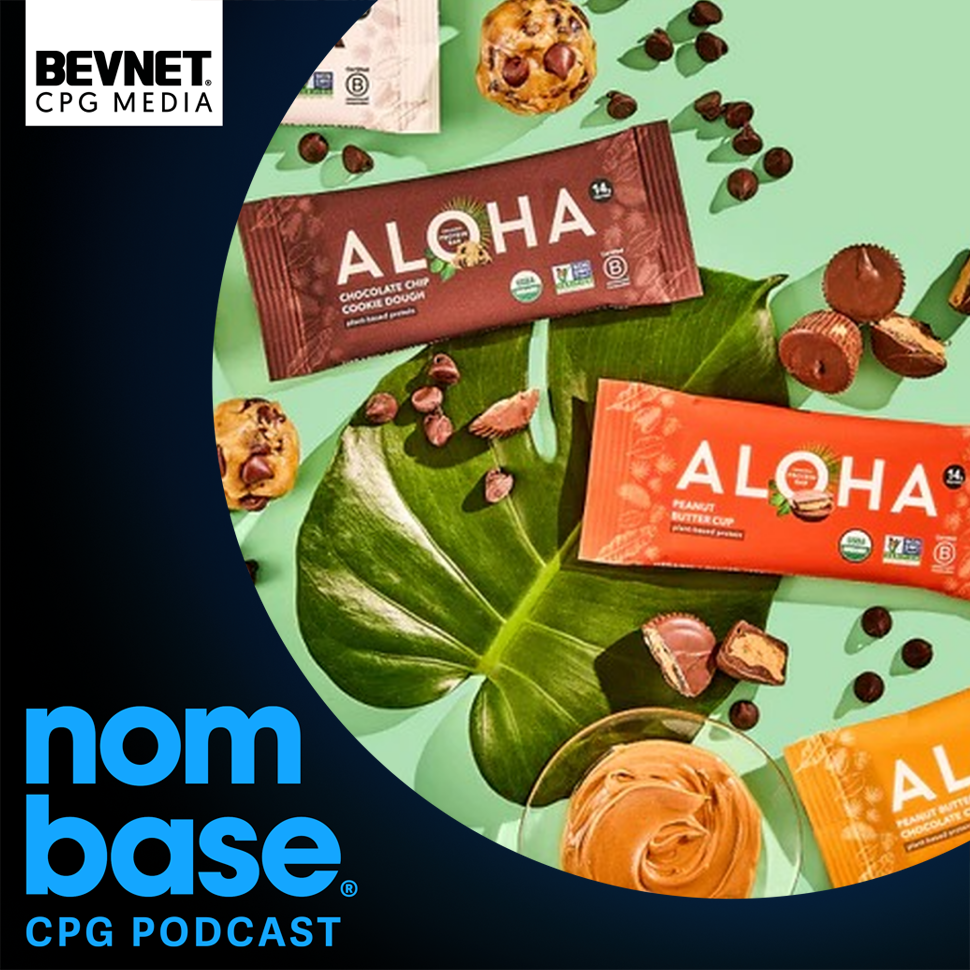
Most founders know they need a board. Far fewer know how to build one that makes the business a stronger competitor. In this episode, Brad Charron, CEO of Aloha, and Kierstin Rielly, CEO of the Women on Boards Project, break down what separates a board that simply fills seats from one that helps you make better decisions, avoid costly mistakes, and build a stronger company. Using Aloha's board as a real-world case study, they share a practical framework for choosing the right people, compensating them fairly, and turning your board into a real competitive advantage.You will learn:How to build a board around your business—not your cap tableWho belongs on your board (and who doesn't)Why operators often make better board members than career directorsHow board compensation and equity typically workWhen advisors make sense—and when it's time for a formal boardHow to get more value out of every board meetingHow the right board can help you make better decisions as you scale
July 21, 202648 mins

Functional ingredients are everywhere, but adding a trending ingredient to a label doesn't guarantee a product that actually works—or one consumers will buy again.Philip Bromley, CEO and co-founder of Virun, and Sara Fenn, Virun's Director of Marketing, explain the science that separates effective functional products from those that simply make functional claims. Drawing on decades of experience in formulation, ingredient stabilization, and delivery systems, they explain why bioavailability, stability, packaging, and format matter just as much as the ingredient itself.You'll learn:Why bioavailability matters more than adding another functional ingredientHow formulation and packaging affect ingredient stability and efficacyWhich delivery formats work best for different functional ingredientsThe biggest formulation mistakes brands make—and how to avoid themHow to evaluate ingredient quality, sourcing, and clinical supportWhy taste and consumer experience drive repeat purchasesWhat separates functional products that consumers try from the ones they come back for
July 7, 202648 mins
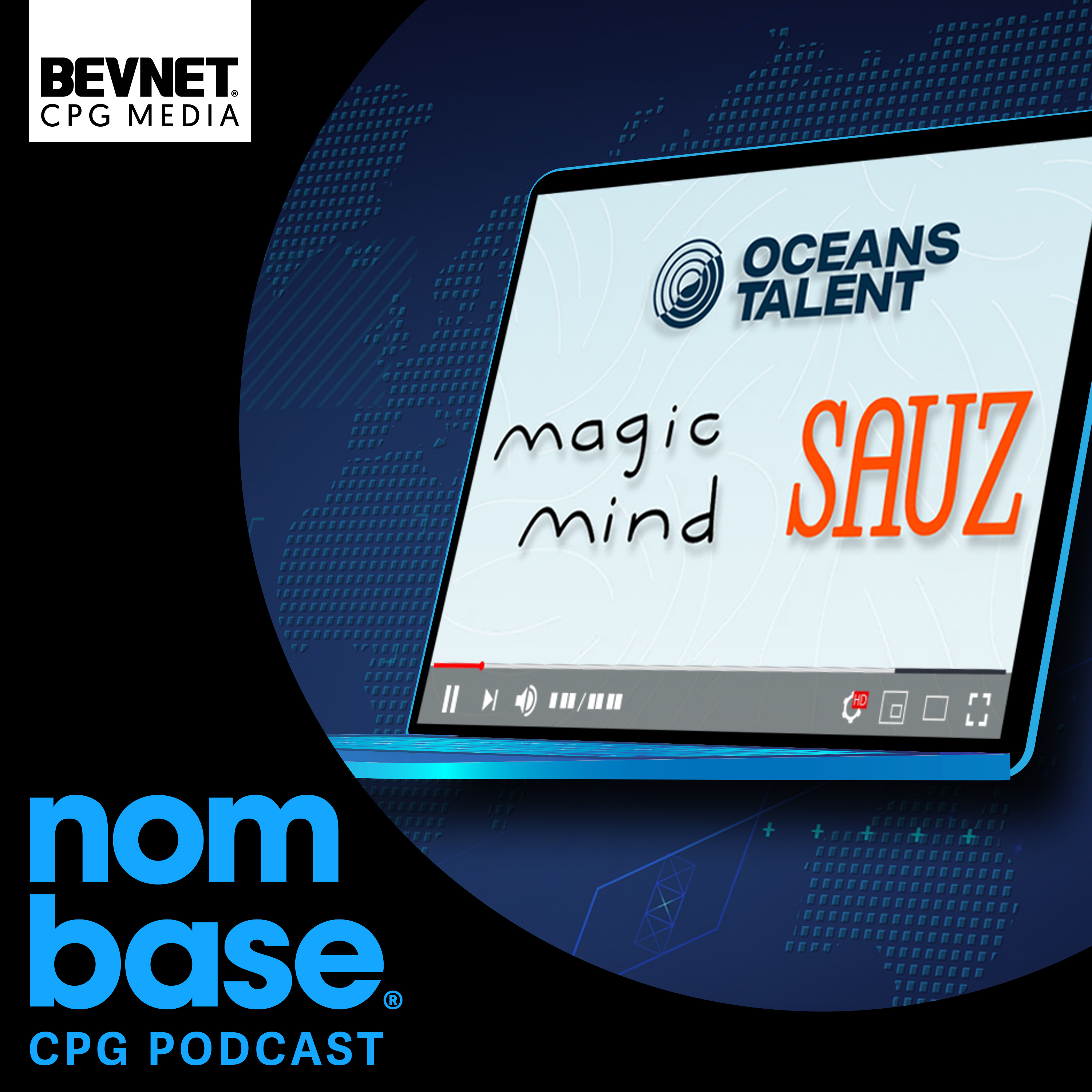
This conversation began as a Nombase webinar, and due to listener demand, we turned it into a podcast episode.In this episode, Evan Walther of Oceans walks through a discussion with Troy Bonde, co-founder and CEO of Sauz, William Hicks, CEO and co-founder of Magic Mind, and Ian Myers, founder of Oceans, on what really happens when a CPG brand moves from early traction into serious growth.They get into the messy middle between roughly $2M and $20M in revenue, when product market fit is real, but the team, cash flow, operations, and retail systems are suddenly under pressure.You will learn:• How Sauz handled a Target PO bigger than its lifetime revenue• Why founder bandwidth becomes the first real scaling bottleneck• How Magic Mind improved cash flow by renegotiating supplier terms• Why unit velocity matters more than top line revenue in retail• When to spend on packaging before paid marketing• How to use retail media, demos, and display to drive trial• Why early hiring mistakes can create more drag than leverage• How to know when your systems are breaking before your team doesIf your brand is working, but everything's starting to feel stretched, this episode will help you understand what's normal, what's avoidable, and what to fix before growth breaks the business.
May 19, 202655 mins
Landing a major retail account can change a brand overnight, but only if the operational foundation is ready to support it. Join Paul Verdu and Mitch Wedemeier from Octopi, a co-manufacturing partner backed by Asahi Group, to break down what really happens when brands scale into large national and club retailers. You'll learn:• Why landing a retailer like Costco or Target often creates a 90 to 180 day production sprint and what must happen within that window• The critical documentation required including specs, certifications, and material data to enable a smooth transition between co manufacturers• How differences in co-manufacturer equipment and capabilities impact product quality, timelines, and scalability• Common surprises around packaging, lead times, and retailer requirements and how to plan for them early• How to balance forecasting, inventory risk, and production flexibility to avoid stockouts amid unpredictable reorder cycles
April 29, 202647 mins