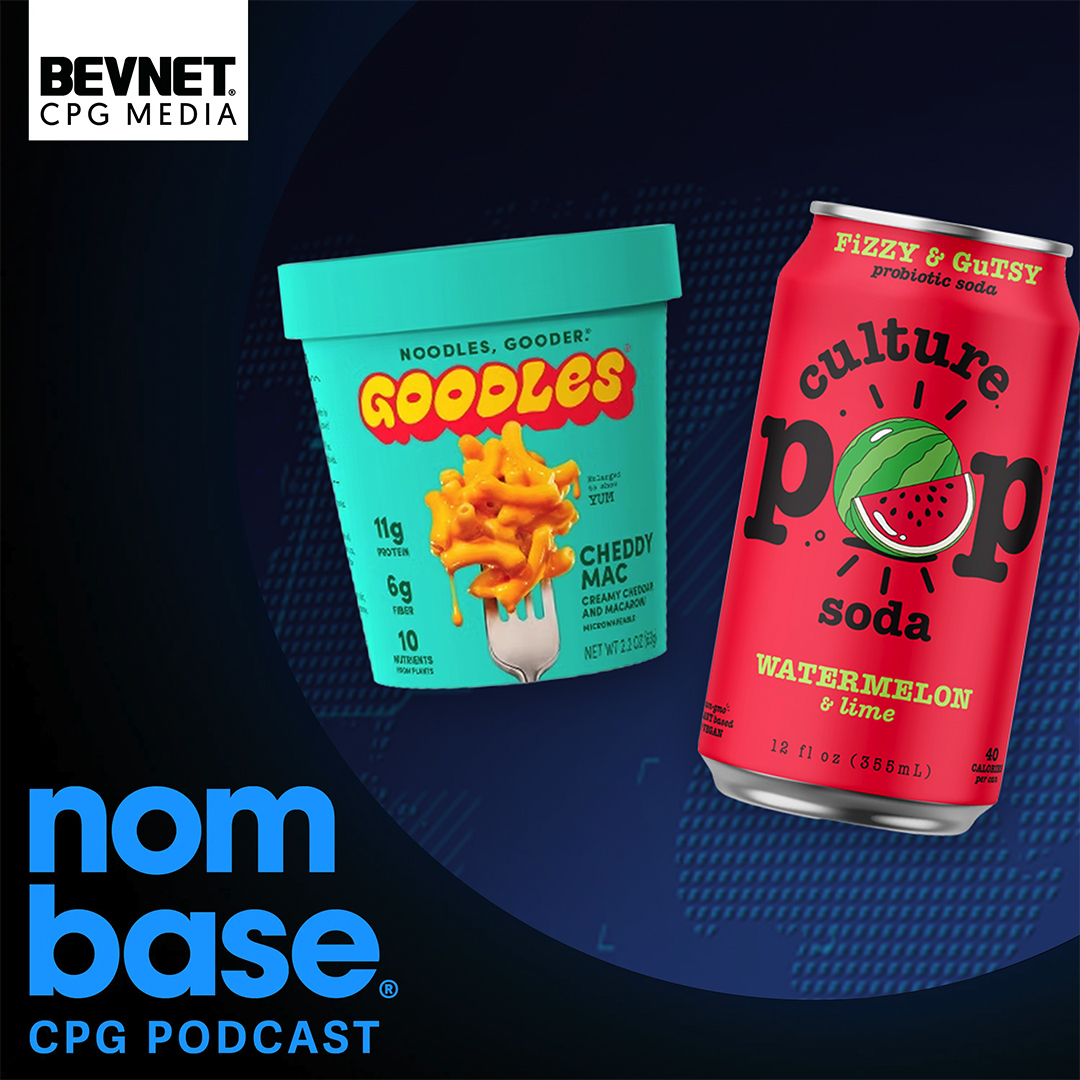
Building products with better ingredients is easy to talk about. Building a successful business around them is much harder. Join Tom First, Founder of Culture Pop, and Heather Wood, SVP of Marketing at Goodles, as they discuss the realities of formulation, sourcing, branding, retail growth, and operations, and how they’ve turned clean label products into brands that drive trial, repeat purchase, and sustainable growth.You will learn:How to decide whether an innovation solves a real consumer need or is simply chasing a trendHow to make ingredient decisions that balance taste, consumer value, manufacturing feasibility, and brand positioningHow to simplify an unconventional production process so it can scale without compromising the productHow to choose the right pace and path for growth based on your capital, team, and ability to support new distributionHow to make sure your product and packaging can drive trial and repeat before spending heavily on marketing
September 1, 20261 min
CVS may not be the first retail opportunity food and beverage brands evaluate, but it's important to know when it can be the right fit. Ashley Czerwien spent two and a half years as a CVS buyer and now manages the CVS relationship at KeHE, and she breaks down what actually needs to be true about your business before CVS makes sense.You will learn:What CVS's 9,000 doors actually look like, and which ones fit your brandThe real submission process, from ECRM events to award lettersWhat CVS costs versus what brands assume it costsThe readiness signals CVS looks for: production, lead times, marketingTwo programs built for emerging brands: Open Air Cooler and Healthy ConsumablesWhat buyers listen for in a category review pitch
August 4, 202649 mins
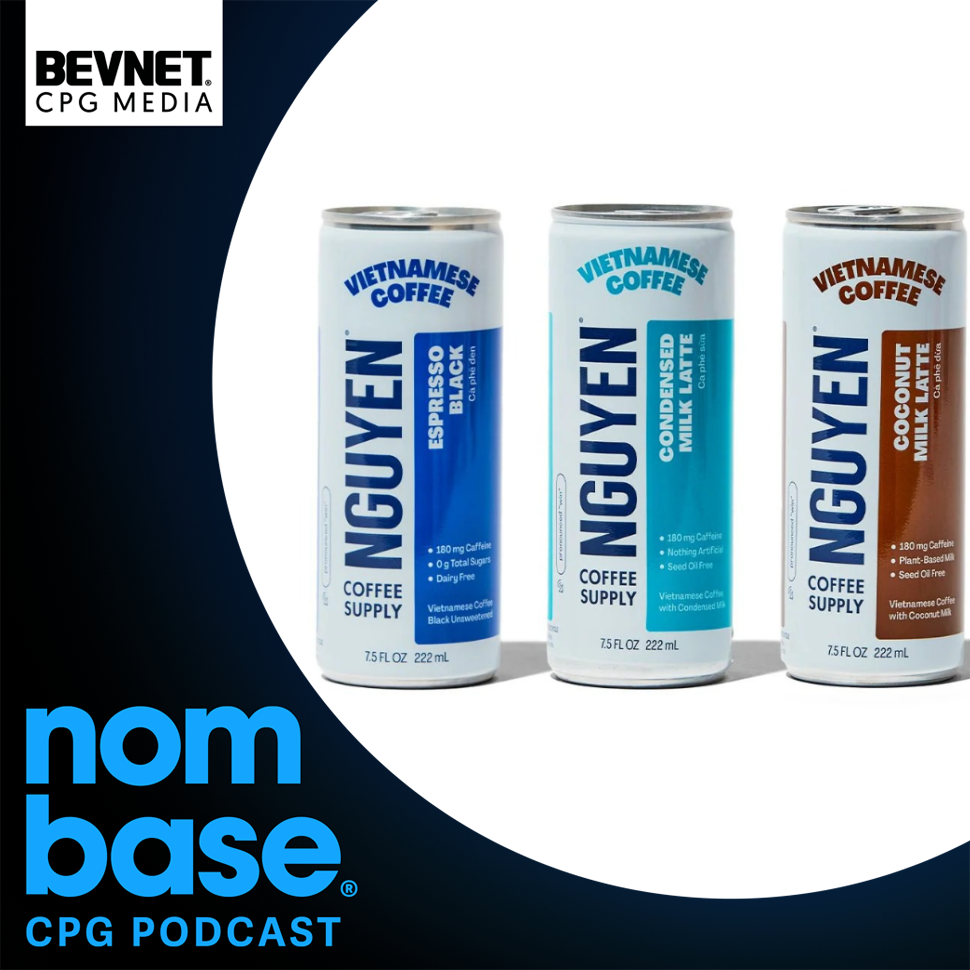
Building a differentiated brand is only half the battle. The other half is making sure consumers actually understand why it matters.Join Sahra Nguyen, founder & CEO of Nguyen Coffee Supply, and Kyle Nguyen, co-founder of Lucky Ox, to discuss one of the biggest challenges growing brands face: how to stay true to what makes your product unique while communicating it in a way that resonates with mainstream consumers. You will learn:How to figure out what consumers actually care about—and build your messaging around it instead of your assumptionsHow to use Meta ads, Google Search Console, and customer reviews to test positioning before investing in itWhy "meeting consumers where they are" isn't always the right strategy—and when to lean harder into what makes your brand differentHow to decide where limited retail marketing dollars will have the biggest impact on trial and velocityHow to simplify product names, packaging, and messaging without losing what makes your brand uniqueHow to identify merchandising problems that quietly hurt sales—and what brands can do to fix themWhy PR should support your business strategy, not become your business strategy
July 28, 202651 mins
Today's grocery aisle is splitting between shoppers looking for the best deal and those who are happy to pay more for brands they believe are worth it.In this episode, Scott Sanders, Business Intelligence Lead at Carbone, and Jeff Lovering, Chief Data Scientist at Customer Marketing Group, talk through what that shift means for CPG brands. They share practical ways to think about pricing, promotions, and growth—and how to figure out whether your biggest opportunity is pricing, awareness, positioning, distribution, or something else entirely.You'll learn:How to determine whether your brand has earned a premium priceThe difference between a pricing problem, an awareness problem, and a positioning problemWhy premium brands can thrive—even in a value-driven economyHow consumers decide whether your product is "worth it"When promotions drive growth—and when they simply mask bigger issuesHow to use data to diagnose what's really limiting your growthWhat today's split economy means for your long-term brand strategy
July 14, 202644 mins