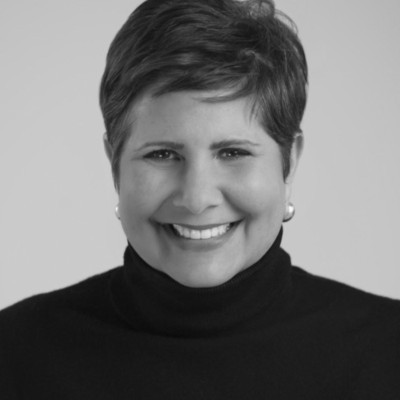
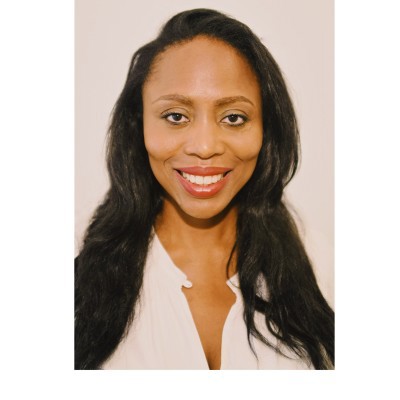
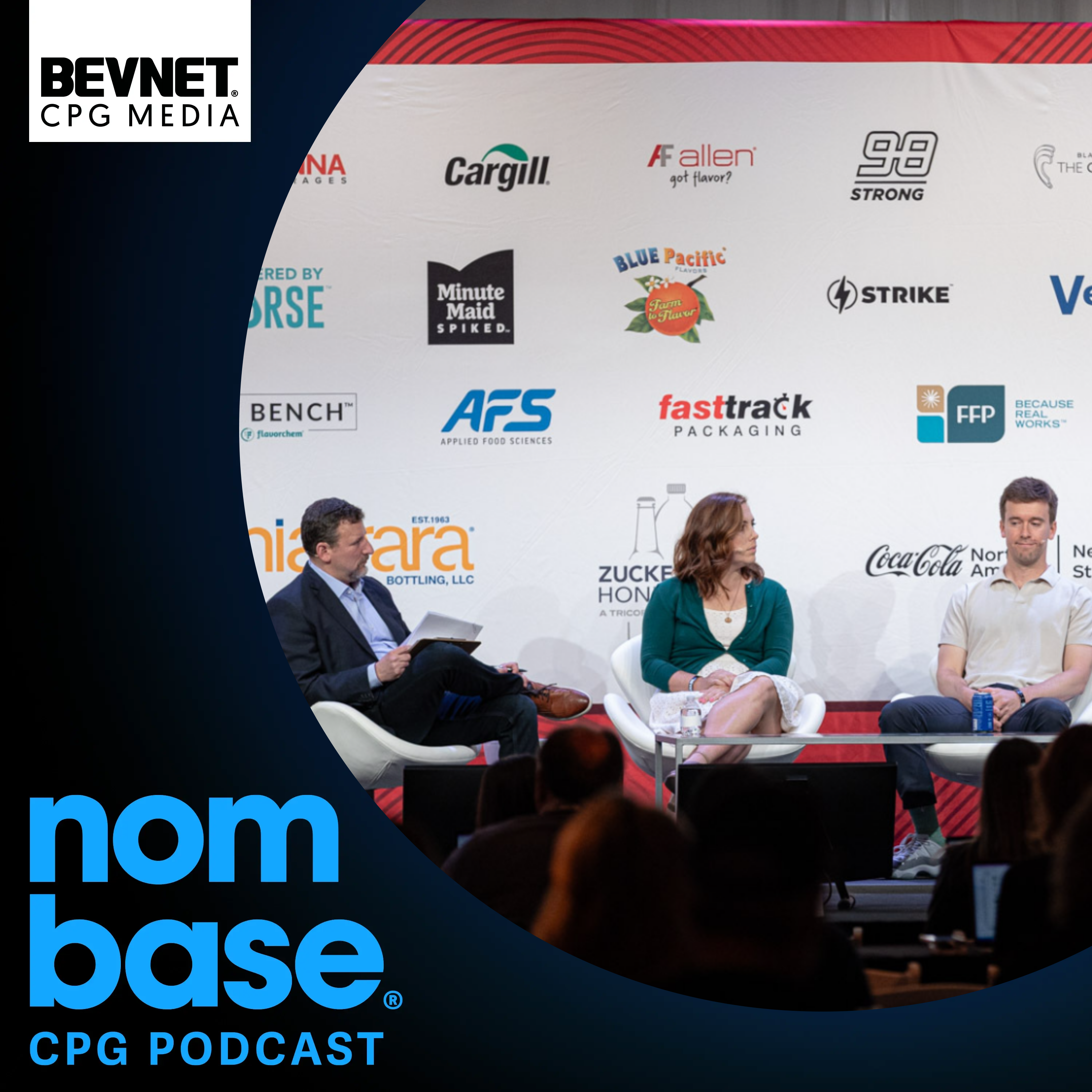
Hello, and thank you for joining us.I am Melissa Travers, Director of Community here at BevNET & NOSH, and I am so excited to welcome you to The Nombase Podcast.Be sure to check out nombase.com, the platform powered by BevNET, where you'll find our partner directory, job board and press release hub, and of course, this very podcast, which brings us all together today.Today on The Nombase Podcast, we are talking about the challenges that pop up in the early days of building a brand with momentum.Ashley Waldman, founder of Jubilee, which is a new brand of high-nutrition, flavored milk for kids has just launched three months ago and is already facing the big questions.How do you say yes strategically when everyone's saying yes to you?How do you keep momentum without burning out or burning cash you don't have?And how do you plan for the future when there's no history to fall back on?To help her think it through, we are joined by a powerhouse of seasoned founders, Ashley Selman, co-founder of Heywell, and Pauline Idohou, founder and CEO of Mocktail Club.They've been through the early days of Hustle and they're here to share their perspective.Thank you all so much for joining, Ashley, Ashley and Pauline.This is going to be a fantastic discussion.I'm excited to get into it.So why don't we start off with some intros?I think so many of the folks in our audience are already familiar with you, but I think it'll be great just to make sure everybody knows.So why don't we start off with you, Ashley, from Heywell.Heywell is a functional, sparkling water, absolutely beautiful product.Can you tell us a little bit about yourself and about Heywell?Yes.Well, first of all, thank you for having me and looking forward to the discussion and excited for Jubilees and where you are today, Ashley.I'm Ashley.I'm the co-founder of Heywell, a line of sparkling water with functional benefits.Our name is a simple invitation to wellness.We like to talk about being a more inclusive and approachable way into wellness to help people meet the demands of modern life.My co-founder, Britt and I come from the beverage industry.We have a combined now 30 years of experience working on brands like Blue Moon and Peroni and in the alcohol space before we launched our own brand.We launched March of 2020, so right in the middle of the pandemic, which is certainly a tough time to launch, but never a better time from a consumer standpoint.And we have actually gone through a lot of the similar growth questions and business building that you are facing right now.So excited to talk to you about that.And Pauline of Mocktail Club, you have a non-alcoholic cocktail inspired by travel.And every time I try one, I really do feel like I'm being transport ported somewhere amazing.So please tell us a little bit about yourself and about Mocktail Club.Absolutely.Thank you so much for having me.Pauline Idohou, founder and CEO of Mocktail Club, which is a line of non-alcoholic cocktails inspired by travel.We're a non-GMO certified gluten-free vegan, and we actually use apple cider vinegar, which are shrub based.It gives it a little bite, a little piquancy, transforms it into a non-alcoholic cocktail.But also it's great for you.Then 1 percent of our sales goes to clean water access globally.My background prior to starting this was about 15 plus years in investment banking, also working at a private arm at the World Bank, investing in companies globally, and spending about 8 years in renewable energy.So I come with a finance, unconventional sort of beverage founder, but with a lot of finance and business experience.Excited to be here to speak to Ashely about this exciting journey, and share anything that I've been through in the last couple of years.So yes, thank you for having me.I know that you've both been through so much, and the goal here is that maybe Ashely from Jubilee doesn't have to make all of the mistakes that other folks have made.So thank you again for joining.Ashely Waldman of Jubilee, you have a truly special product.Three months?It's been just three months?Somehow that's true.Feels like a year.Please tell us a little bit about yourself and about Jubilee's.First of all, thank you so much for gathering this group.What a privilege to talk to three women who have done so much in this industry.As you said, I'm Ashely Waldman.I'm the founder of Jubilee's.We launched almost three months ago.We are a healthy flavored milk for kids.We're actually the only flavored milk that's sweetened exclusively with fruit and vegetables.So there's zero added sugar, high protein, and also a couple of plant-based vitamins that give it a broader nutritional profile.I invented it because I was tired of fighting with my kids to eat healthy.I was trying to figure out an easy way to sneak in some vegetables, especially for my oldest daughter who's autistic and really struggles with a lot of flavors and textures.So this just became like a very easy mechanism to get more nutrition in her body in a way that I could feel good about.And I looked at the market and I actually made this giant spreadsheet of thousands of Amazon reviews of sort of the lower sugar options out there.And the consensus was pretty clear.It tastes gross.It all goes in the garbage.It's a waste of money.And so I thought, hmm, I wonder if I can do this better.I've always wanted to be an entrepreneur.I come from a family of entrepreneurs.Actually, my dad's owned and operated a non-alcoholic beer and tea company for the last 20 plus years.And I called him and said, hey, I want to make a low sugar kids drink.He spent an hour telling me all the reasons why beverage is a terrible industry and why it's so hard.And I said, awesome.I love hard.Sign me up.So that sort of kicked off like a long iterative process of developing this brand.And I said, okay, well, I want it to be low sugar.I want it to taste amazing.And that's kind of where the dessert profiles came from.But I also want it to be really nutrition dense.And I went to my formulator.It just ended up being 95% milk.It wasn't even on purpose.It's just that milk is so naturally nutritious.So I was like, okay, great.It's a flavored milk.So that is how we ended up here.And it just happened serendipitously over that timeframe.Fast forward, my oldest daughter is like a flavored milk queen.It became like her number one source of nutrition.So it just seemed like kismet that this is where the product landed.And so at this point, how many doors are you in?And your first production run, what was that like?The first production run was this past January.And we're using a co-packer out in New York.They're actually the same folks that do Horizon Milk.We use a similar, it's the same packaging, actually these Tetra boxes.I started pitching my product right away, like before launch, started reaching out, cold emailing, looking at calendar review schedules and things like that, and just like blasted people in January.So by the time I launched, I actually was already successfully in a handful of local independent retailers here in Austin.And then also I've gotten some really good responses from some larger chains.So right now I'm in six independents here in Austin, but I have yeses from seven, almost eight larger retailers, ranging from like 10 stores to banners, you know of that have hundreds or even thousands of stores.So obviously getting all of these yeses is very exciting, but I would be lying if I said it's not also very terrifying.As I'm sure this panel knows, going into retailers can be very expensive.And at the same time, I'm also entered into distribution.So I won Cahey's Trendfinder campaign.I'm part of their Elevate program.I also was asked to be part of UNF's Up Next program.So both of those come with all of their nuances of costs and things to understand.So I'm in this position now where I've created my best take at a forecast where for all of the retailers I'm talking to, I ask them things like, what are your velocity expectations?What kind of fees do you have?What kind of TPRs are you expecting?All of the assumptions I could gather to try to harden my forecast as much as possible.And I'm staring at a number in a spreadsheet that looks horrifying, but also exciting because there's a lot of revenue there.And I have a warehouse full of inventory.I could float this myself through a combination of my savings and also inventory and PO-based financing that feels scary.I could also pursue funding and relieve a little bit of that risk profile, or I could try to do both.I think where I've landed is I am going to pursue funding based on a dollar amount that's in my forecast that I feel like is the minimum to relieve, like some of, I can still say yes to a number that feels good, but relieve some of the personal risk that would come along with that.But then my backup plan is, okay, obviously that's very hard, especially in this environment, and especially for where I am as a brand.So my backup plan, yes, is to float this as much as possible based on my forecast with the revenue I have available myself and also taking on some lines of credit.Now, what happens if both of those fail?So that's where I'd love some thoughts on, I could obviously dial back some of my promotional plans.I'd rather not say no to people, but that's also an option.I'd love to just open it up to the floor for advice and thoughts.Pauline, I see you nodding and smiling.What do you think?I'm going to start by asking you a couple of questions.One is, so you're in a couple of local stores, which is great.I think that's the right way to start.What are you seeing in terms of velocity and pickup in those stores?We're driving about 25 to 30 units per week velocity.I have done some support of that.I've done three demos over the course of, I guess, two and a half months.Then we did one very small TPR at the beginning, it was only like 10 percent.Then I've done some digital to store promotion like on geotargeted social media.But it does feel like a lot of that is fairly natural organic growth, which is great to see.The other things that I've learned is that because they're smaller retailers, I have a lot more flexibility to play around with merchandising.We've merchandised both in the shelf stable milk section, which is where the most obvious place and where I assumed I'd be going, and where the folks I'm talking to, the other banners, that's the location.But we've also experimented with merchandising in the protein section, like next to the Organe products.It's done really well there.I've also seen the similar insight on my D2C.My D2C also has been going really fast.And one thing that I first have been advertising more on terms like Organe and protein drinks and things like that.But also just in the anecdotal feedback I'm hearing from my customers, my best customer who subscribes for eight cases per month, she literally said, I have completely cleared my pantry of Organe.This is a much more clean nutrition panel and actually provides even more nutrition.So that's definitely a use case I'm really thinking about.So that's something I've learned is for tertiary placements, I'm really trying to push on those protein sections and then also functional beverages.So I do have a cold case functional beverage space where it's also doing really well.So those are examples of tertiary placements.Then how is your supply chains when you're doing the co-pack and run, is it you there physically making sure that everything is going smoothly with the co-packer?Yes, I did attend the first production run, if that's what you mean, I was there on the day.Perfect, and it went well and they can scale with you?I guess they do larger?Totally, yes.One of the trade-offs I took with this packaging and this process, is the UHT High Heat Shelf Stable Packaging, is the co-packing options are only large scale, so even the very minimum size run with my co-packer is still quite large.So, yes, it does scale there.I'm actually quite below their minimums, but they're giving me a break on my first couple of runs, but after that, yes, we'd need to scale up massively to meet their expectations.Okay.Are you in more natural stores or a hybrid of stores?It's a hybrid right now of food service and natural grocer.Okay.I mean, the reason why I'm asking these questions is to figure out in terms of raising money, do you have a team?That's going to be one question that I'm assuming any investor is going to ask for.Have you identified people that could potentially take that?I think supply chain will be huge, especially if you're looking at larger thousand plus chains or smaller chains.That does take a lot of money from the inventory itself to the promos and everything else to support that.I mean, I think go where you win.And so if it's natural stores that you're seeing or gain that perfect customer, I would sort of start with that roadmap first and sort of really when establish your brand and then start moving towards.If it's the more natural that fills that value proposition, I would saturate that first.I definitely think regional is also good just because you're still going to have a lean team starting off.And so with a leaner team, you can see how your velocities are.You can pop in, like you said, you can do some merchandising, you can take these risks, you can build a relationship on the store level, which as you get bigger, it's a lot harder to do.I think Pauline is right to ask about some of the operational challenges or opportunities or potential risks.I think there's two kind of things that are top of mind for me.One is you've had one production run.And I think understanding your shelf life, your product quality, does it diminish over time?Does the chase profile change?How long does it take you to procure materials for your next operation?You know, there's a lot to get set up into AKEI and UNIFI to get all the kinks worked out.You know, it just takes a little bit of time to operationalize your business.And I think one of the most important things, if you are talking to, and first of all, congratulations, and so exciting to get so much interest and so much excitement.But when you're talking to some of these larger retailers, I think ensuring that you can be an excellent supplier to them is going to be really important.And that means making sure that there aren't operational gaps and pitfalls and you didn't know, and then you're not able to supply or, you know, you didn't know that, you know, X, Y and Z would happen.So I think the bigger the retailer, the less tolerance there is for bumps, if you will.I think a lot of retailers are trying to be more founder-friendly and to help, but their shelf space is really valuable.And so they're going to want to know that you're going to be able to deliver high quality products on time and you've got the right support, whether that's operations or the sales team to keep track of TPRs and billbacks and all the rest of those things in place, so that you can be a really excellent partner to them.It's not like an obvious thing to like operational and your business.Like it takes a minute to kind of get some things, but it looks like you're kind of, you know, ahead of the curve here in terms of you have a co-packer, you've got, you know, some of these things in places.And certainly, we've been a part of UNFI's, you know, programs and CAHE's programs.They're really helpful, I think, for founders, which is wonderful.But then the day for us, it always starts with the consumer at Heywell.And so we're always thinking about what are we solving for people and making sure that they're interested.And it sounds like you have a lot of interest from these couple of stores that you've been in.I think that when you and there seems to be a real market, you know, opportunity here.And so those early velocities, which we've always found are going to be a little bit higher in those little independents than certainly in a bigger one.So when we thought about our launch plans, we very much thought about our distribution as a key part of our marketing.And so making sure that we're in the right place at the right time for the right person.That was really key.And so if you've got this great natural product, then leaning into where the early adopters are that can create that organic growth and that people can say, oh my gosh, I discovered this in X account.And that seems to lend more credibility than to maybe more conventional retailers right out of the gate.And some natural retailers don't like it when you go conventional and skip that.So there's that also.But I think that making sure that you also have the resources to support is so key.And, you know, again, I go back to these retailers, shelves are really valuable, that space is.And so what are you going to do on a larger scale?Do you have the resources to be able to go in and say, the minute I go on shelf, I know that I'm doing X, Y and Z to immediately create turns so that this retailer has confidence in me as a partner and that I don't go out the next review cycle, which can easily happen.If you're not meeting those thresholds right away, then, you know, you risk being pulled out.So making sure that you've got the resources, because then there's also things that come up that you're not expecting all the time.And it's like, well, I wasn't expecting that slotting fee.I wasn't expecting this or that.So I think that, one, you have so many exciting opportunities, and it's a matter of how do you mitigate some of that risk to take advantage of it?And is it better to say yes to fewer and do it with excellence?And then I layer on some of the other ones as quickly as you can, but it gives you some time to build your operational strength, make sure you've got the resources to do those few with excellence before then going on.And that's been our philosophy is that we were really thoughtful about actually who we sought out first to go on shelf.We've been really thoughtful about we want this first, this first, you know, and this is our growth trajectory.And there's a point in time where we said yes to something that we were on the fence about, we thought it's early and maybe we shouldn't say yes to that.And it totally bit us and we shouldn't have said yes to it.And in hindsight, we were like, we knew better and we wish we hadn't.Yeah, tell me.Can you tell me more about how it bit you?I think that understanding and I think you've talked about this, really understanding what the expectations are, and especially like creating a plan with that retailer, which is we expect to do X velocity on this date.By this 90 days in, we expect to be here and here.Does this look like success for you?And does that generate revenue back enough for you to cover those TPRs so that you're not owing them money because you're not generating enough revenue, but you've just paid maybe slotting fees, maybe not.Now they're charging you back for these TPRs or Cahey's charging you back for other things, or UNFI, you know, also part of the programming.And then do you find yourself underwater because your ramp up didn't match the income you needed to pay for all the support you put in place up front.In this instance, this retailer was a large retailer.They were creating a new space.So there wasn't already kind of consumer awareness of this space and proven foot traffic and proven brands being successful and velocities in this space.And I think when we talked about what the expectations were, their expectations were so much lower than what ours were.We were kind of surprised, but we thought, well, you know, I don't know, maybe it's okay.And then what ended up happening is that it was just bill after bill after bill on, you know, their velocities didn't match other retailers' velocities.And their concept hadn't been proven out.They hadn't invested enough in the space.It wasn't really what their shopper was looking for.And so we ended up losing a ton of money on that because it wasn't moving.And, you know, we had it moving over here, but then all this product tied up for this retailer that wasn't moving.And it just ended up not being a good situation.And we ended up losing a ton of money there.It's a good story to learn from.It was a hard one.It sounds tricky.So many good things in there.So thank you.Thank you so much for all those perspectives.So maybe I could get into like some of the specifics of what is in my forecast and my assumptions because what I love is like, where are my blind spots?Like, what am I not thinking about that could result in me sinking myself in finance?You know what I mean?Or lack thereof.And it does also relate to like the people point that was discussed.So basically what I'm thinking about right now is there's kind of three buckets of spend.One is like, how do I make these activations as successful as possible?And so that's things like demos.I am planning to leverage.I am going to do a lot myself, obviously, as much as I can, but also leveraging third-party companies.There's a group called Grassroots that I am going to be working with.They're wonderful.The ads cost.Oh, good.I'm so glad to hear that.Okay, good.So those demos, TPRs, obviously, and the fees that are associated with that.Also trying to push on scans as opposed to OIs.I can kind of make sure that all of that's going towards saving the consumer.I'm also investing in programs like IEL or Hummingbird.I don't know if those are things that you have tried before.Let me know your thoughts on that if you have.Then some other retailers have specific programs like road shows and things like that, that I'm thinking about as a one-off for the really big banners.So that's kind of the activation bucket.Then the middle is more like, how do I scale?So I am thinking more about fractional people at this point.So like a fractional CFO is probably one of my top priorities from a managing cash flow forecast in fundraising if I continue down that path, helpful in that regard.Also potentially a fractional CMO.Then I am also thinking about whether it's like a broker or an ops person to the conversation about managing all of my account relationships effectively, and doing things like negotiating tertiary placements.That's just a lot of people relationship building basically, and does actually scale to all of those.I'm not sure.But at this point, I am thinking fractional, I am thinking the top priority would be CFO.So I would love to hear of the three roles if that feels like the right priority.Then the last category being product development.So we talked about the six-pack, the multi-pack.I also have a new flavor coming out that I'm really excited about.So those are my three buckets.I would love to hear your reaction to the three buckets.I feel operations is something that you should bring in the hierarchy, like lift up a little higher.That's going to be key.I think Ashley was alluding to some of that, shelf life, number of things.I think that's very important.I don't know if that, I mean, CFO is important, but right now your P&L is okay, but you're a couple of months in, so it's not as complex as it's going to be.I mean, there may be some chargebacks in a number of things, so that's important.But I think operations is probably one that you want to get in place as soon as you can.Sorry to interrupt you, but what is that role exactly and can that be fractional or do you even recommend?Yeah, it can definitely be fractional for sure.I mean, you can go to your production runs, but you need someone ideally.I mean, our production runs, we always have someone there and not just dependent on the co-packer.You need to figure out what your yields are.I mean, they're going to produce, there will be X percent that will be not usable of your product, and you need to understand what that is.You need to make sure that everything goes smoothly, and you need someone doing that, and that person can also help you with inventory management.What you have, shelf life, making sure your shelf lives are still 70%, 75% of their shelf life is still available for your distributors, which will be key.So you need to manage even lot numbers, making sure that if there were issues, that someone can actually trace when that was actually produced.So institutionalize in the operations piece, and there are fractional people that can do it.And they can just do your production run, so they're not necessarily doing day-to-day activity with you.And depending on how you're getting your ingredients, these might be things that you need, I don't know if it's four weeks lead time in order to procure all your ingredients, put them in place, and just having that sort of operational know-how.And then as you talk about six-packs, that's an additional skew, that's an additional skew that needs to go into Unifi, Kehi, there are even charges for new products.So when you do want to think about it, do you want to do that now?And I would also caution that because there is some complexity on the supply chain.On the back end, they need a different machine, potentially a different production run, or you run everything and then you ultimately get into the six pack but from a change and everything else, it's actually more complex to have more.So I would almost, if you feel that this is a nice segue, I would almost start with your singles, see which ones are doing the best, and then from there make decisions on whether to do multis or whether to do six packs.I would almost say start with this, and even skew mix, I would almost really saturate with your best movers.So if three are doing really well and monitor, what is actually moving really well and do you want to really just build those?I mean, there are a lot of future things, like the more you can do three or four really well, the better your pricing is as you manufacture at scale.So the more if you do six or seven, you're not getting those benefits of economies of scale.So you almost want to have these workhorses that you're able to scale and get your ingredient costs reduced as a result of doing that.Then another thing in terms of even just opening up warehouses, which will be the case if you work with a very large retailer, is you would have multiple distribution warehouses open with a unifier, Kehi, and each one needs a certain amount ordered per month in order to stay open.And so again, it sounds all great, but you pay fees if you don't meet these minimums per warehouse.So just backward induct in, do you want to open all these warehouses today, or do you want to focus on a specific region?Again, that whole like, do you want to focus on certain skews, focus on a certain region, drive those velocities in those warehouses, and then start expanding systematically, versus opening a lot of warehouse, having a lot of Keahi Unified Charges, and just opening yourself to a lot more things, even on the supply chain as well as potential costs.I would, I mean, if it were me, I would kind of focus on a core set of products and a core region and really when.And again, it sounds like natural is your customer, really win on that and then expand and then get to conventional.I think Ashely, you have so much early opportunity here and you need support.And there is no way that you have time to sit and order one-off ingredients and then make sure that you know what was leftover from the last run, that you do not have time for that.And I think one of the things that really set Heywell up for success initially for Britt and I was we outsourced most of our teams.And we quickly got teams up and running versus like hiring and then if that's not a good fit and you know down the road.So we hired one of the first hires that we had was an operations team.And there are a number of them out there that can help you one, and manage especially in a you know an environment right now with tariffs and all kinds of things happening and volatility and pricing.We worked with a group that's able to manage all of our raw material procurement making sure that these are all the highest quality that you know and meet our rigorous standards that if there's any kind of shortages coming they have line of sight to that and we can stock up on ingredients.They are always thinking about they're getting scale pricing which more than offsets their fees because I'm calling people initially we did what you're doing and some people wouldn't even call us back they're like that minimum run is so small like we that's like a sample bucket we don't you know we don't want to work with you yet and so somebody that has years and years of experience that can come in with their expertise immediately and help ensure that you're going to be successful in that aspect of it and you're not in the weeds day to day trying to do every single thing so I do think operations is really important I do think finances are incredibly important beverage is very expensive it's very capital intensive and so that was one of the second hires we had was someone that's got a lot of experience with emerging CPG brands that understands the natural environment that understands Cahee and Unifi that understands Amazon we could talk a lot about our unit economics all that but we sat down with him initially and we created a three year plan and it's down to a very granular level and understanding how much are we setting aside for price promotion what does cash flow look like with growing you know production runs and so you can do inventory financing but keep in mind you've got to pay that financing back while also still trying to double your production runs and so that can quickly get you into a really nasty spot if you're if you don't have the resources in place.So you'll have TPRs and all the support and slotting fees going out.Then you're going to have the next production run but now you owe for the last production run you know that inventory financing and then all that clobbers right on top of each other and then you're out of cash.And so making sure you have a very solid plan in place to manage the cash flow for the growth that you need is really, really important.So I think you could certainly start with a handful of retailers and you build the relationship with them.I think that's really important not to outsource your relationships with your retailers, but that maybe you have teams of people.There are great teams out there, brokers.There are some not great ones and there are some really great ones.And so making sure you do your due diligence there, that they can support you, but you need that relationship too.But I think if I were you and I'm building a team and I'm trying to go kind of as quickly as you're trying to go, I would make sure that I've got operational excellence in place and that I have a finance person that can really help me think through what this is going to look like for the next 18 months and how do I have this funded?Because then if you get to that point and you're like, I'm out of cash, then it game over before you even really get rolling and get started.All very good advice.Thank you.Definitely some insights about the operational resource.I think the last kind of maybe where we can end the conversation is just thinking a bit more about scale.So I feel like when I've talked to the different folks I have in my advisor network about do I do the judicious thing of starting in my backyard, go regionally, growing slowly, really cultivate it, or do I just go say yes to it all, go balls to the wall, just go big, go fast.I've definitely heard both on the side of like, you should just go forward as like, Ashley, I feel like you really have something that is lightning in a bottle.This is totally unique.There's nothing else out there like that.You need to flood the market as fast as you can, insofar as you feel confident.And my feelings about it are kind of remembering back to the conversation with my dad, where I was like, yeah, it sounds hard, sign me up.I've also spent my entire career like scaling other people's businesses quickly.And I'm like, it's my turn.Like, I want to do this.But certainly, it is not, there's a lot at risk here.So would love, yeah, just both of your perspectives on what would you do if you were in these, in these shoes and, you know, how can I, is there anything else I can do to make sure I'm not setting myself up to close the business in 12 months?I don't think you just have to think about it regionally.And I don't think you have to think about it just in your backyard.And I don't think you also have to think about it as an all or nothing proposition.That if I don't go big and go everywhere and take this high risk, then I'm going to be beaten by somebody else tomorrow.I think that there's smart business planning.And I think that if you don't know your numbers and you don't have a business plan, then you should not say yes to all that unless you know that you can actually do it.And I would not.And I would instead really be thoughtful about the things you're going to say yes to.Ensure that the ones you're going to say yes to are a good match from your shopper, your consumer, their shopper that you can be really successful in.And then you can always expand.But to say yes to everything, to not have a team in place, to not know firmly kind of what the next 18 months look like, that you have the cash, not just for this moment, but for the next moment and the next moment in place.Because what would be really terrible is that you go in, you say yes to all these things, and then you're not able to raise fast enough or these things start stacking up, you've underestimated, and then you're done.And then all of that is gone, because you can't supply your next operation.We think about this not just from a geographical standpoint, but I do think that Pauline is absolutely right.Like you need to think about these DCs.And so I think if you're saying yes to some retailers that are good from a marketing standpoint, good from who your core consumer is and who their shopper is, that those things are really well aligned, it could be they're a very large regional player before you go to a national one and go into all the stores.And even if it was a national player, I would never say yes.And we've actually pushed back on a retailer and said, actually, we don't want that many stores.We want to start with this many stores, we want to go kill it, and then we want to expand with you.And so if you have three powerful skews right now, and you get better efficiencies of scale, and you target it, and you ensure that it's a good fit and match, you're not going right to conventional, and that is very high, that's very high risk.So you're starting in the right places, you're investing properly, you have the right amount of cash on hand or planned to support the business and the growth.Then you can immediately come back, you can go get your investors lined up, and then you can go push really hard on the second wave.But right out of the gate, before you have people, before you have this plan, before all those things, I do think that is extremely high risk.What you want to do is build a really successful business for the long term.You don't want to like fall over your, like trip over yourself like right out of the gate.And then it's done.So I think the two insights I got from that word that were super valuable is one, in the yeses I'm saying yes to, make sure they're at least like regionally concentrated.Like I don't want to be in New York, like West Coast, East Coast, like that would probably not be a smart strategy.And then I think the other lever that you gave me is, I can say yes, but be very intentional about the number of stores.So if they're coming back to me and saying like, I want to put you in a thousand stores saying like, no, no, let's start smaller.So it's a way for me to still say yes, but still protect myself in the meantime.Well, you don't want to outstrip, you don't want your brand awareness or your distribution to outstrip your brand awareness.And if you're all over the place sprinkled everywhere and New York and then here and there, I just wouldn't, if you are talking to a large regional, with even like some scope that's national retailer, I would start with that retailer and say, I want to start in SoCal where the early adopters are for this versus Iowa or whatever, you know, maybe Florida or whatever.But we're going to start here because we know the shoppers are there and everything else.And so there's a balancing act in that.And it's okay to say no.And then to say or just say not yet.And then that actually creates FOMO, frankly.Then they're dying to talk to you for the next round.I think execution is something that's so, so important.Lightning and Bottles is great, very important too.But execution is probably the most important thing.And that's what prevents you whether it's the future.I mean, there are second mover advantages that outpace the first mover, right?So unless you have some IP, the reality is you're always going to face competition, whether it's two years from now and two years from now, it could be phenomenal.So I cannot stress how execution matters and execution is everything.It's the ops, it's the boring stuff.It's the supply chain, making sure you're on shelf, making sure, especially when you start working with bigger retailers, you're forecast in the right way because you move from a few pallets to 20 pallets, and the ability to do that quickly, efficiently, on time, that is part of the execution.The marketing, you're seeing the or gain and ways to communicate your product.Your packaging might continue to change, it will iterate, but that's also having, whether it's your fractional CMO really working on harnessing, and what is the message that is resonating with your customer?How are you speaking with them?I think I'm pointing to a team, ultimately, to make sure that all these different circles work together.If you want to run, and you can, you're going to need to have a team as you're running.There are two ways to do it.There's the sort of the, it doesn't, yeah, it could be SoCal, it could be the right place to start.It doesn't have to be your specific backyard, but maybe SoCal is the right place, or wherever it is.And you could work with a national chain, but you start regionally with the ability to keep expanding into different regions.So that's one way to kind of, potentially in a year or so, get national with them by really executing well in one region.So that's one way.The other way is you want to run, but then you need to sort of hire an A-team who has the right supply chain, who has the right market.And so you would almost have to raise a lot of money today to hire those people in order for you to run.But if you're not going to do that, then you have to pick a sort of regional strategy, pick some skews, really win.And then in the second wave, you use that traction to raise and do more.So it's a bit of that.But in order to run, you really have to have, you have to be able to convince people that, I'm only in a few stores, but this is lightening a bottle and I have the right team to execute and we're ready to go.So you almost have to have that team in place and almost raise with that saying that these people will start day one and they can help me run.Well, those were some really fantastic answers to some incredibly hard questions.Thank you all so much for joining.Ashley Waldman of Jubilee.Thank you for taking us kind of behind the scenes and sharing what it's like in those early stages of being a founder because the questions that you're asking are so good and everybody else who's in your position is asking them as well.So hopefully you got some good information and I cannot wait to watch Jubilee's shoot to the moon.I also would like to thank Ashley Selman of Heywell and Pauline Idohou, founder and CEO of Mocktail Club.Thank you so much for sharing your insights and your wisdom and support.It's been great to have you all here for our audience.Thank you for joining us on the Nombase Podcast.Make sure you head over to nombase.com and we'll see you next time.That concludes another episode of the Nombase Podcast.Many thanks to Nate Brescia, our recording engineer, Ryan Galang, our live stream coordinator, and Josh Pratt, our podcast editor.If you enjoyed the show, please leave us a review and follow us on your listening platform of choice.Want to be part of a live recording?Register at nombase.com/podcast to join the conversation.You can also watch and listen to past episodes on nombase.com and don't forget to join our Nombase Slack at slack.bevnet.com for company updates, industry networking and community discussions.