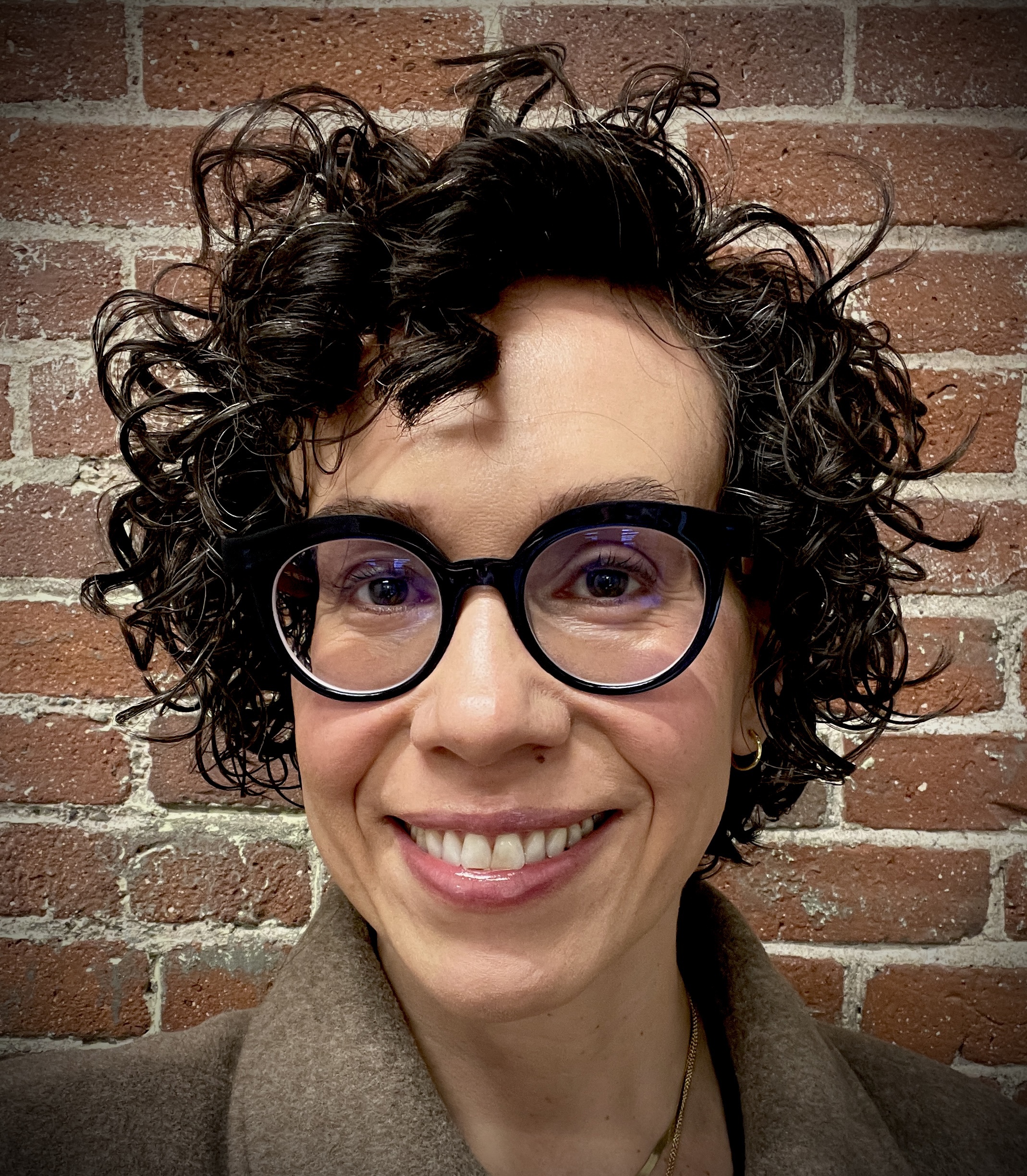
Hello, and thank you for joining us. I am Melissa Travers, Director of Community here at BevNET Inosh, and I am pleased to welcome you to The Nombase Podcast. Don't forget to check out nombase.com, BevNET's platform built for the CPG community.
It's where you can find episodes of this podcast and so much more.
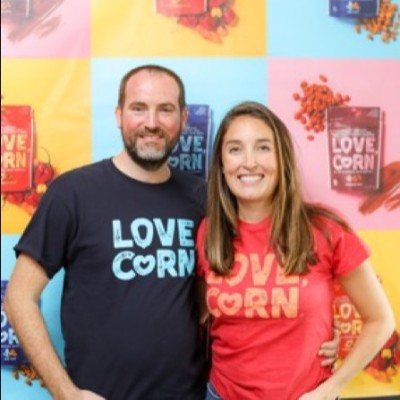
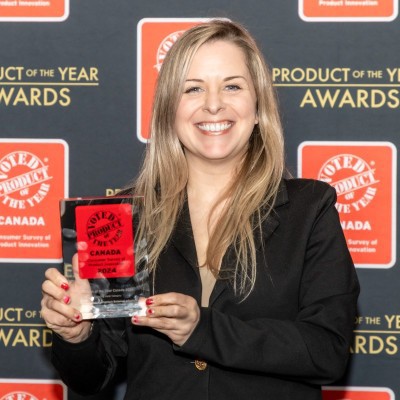
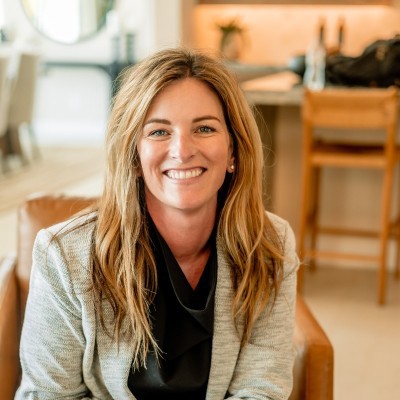
In this episode of The Nombase Podcast, I will be chatting with Gavin McCloskey, co-founder of Love Corn, Carlene Carl, founder of Rebel Solutions Group, a Costco broker, and Leila Kairns, founder of Heal Tea, Sparkling Herbal Ice Teas, to discuss
the critical role of Costco roadshows and brand growth. We'll dig through the logistics, staffing and strategy behind successful execution, and why nailing a roadshow can open doors to buyer relationships, inline placement, and broader visibility.
Well, thank you all so much for joining us. I'm going to start off with a round of introductions so our audience can get to know you a little bit.
Gavin from Love Corn, I realized I didn't explain the brand, but in my head, I think everybody, of course, knows what Love Corn is.
I have a hard time thinking of where I haven't seen it recently, but it is, of course, the most delicious crunchy corn that transforms anything that you eat with it. So thank you so much for joining us.
Thank you for the invite. I'm Gavin McCloskey, co-founder of Love Corn Family Business, co-founded with my wife, Missy, and my brother, Jamie. We're creating a new category, premium crunchy corn.
The Costco road shows have been awesome for us to be out there doing the education and building the brand. For us, we actually launched a brand in the UK nine years ago now.
We've come up to our 10-year birthday next year, and then we launched in the US in 2020.
Excellent. Love Corn has been in the United States since 2020 and then in the UK for 10 years, is that right?
Correct.
How many Costco road shows have you done at this point? Or is it so many, it would be hard to count?
Yeah. We had the opportunity to road show first in the Texas region. They started off with a four-weekend road show in four different locations.
We got to see some great places like Oklahoma City and El Paso. Just seen a really broad demographics, different cities. Cedar Park was our first ever road show, very high-end consumer, big Indian consumer.
Our very last road show in that sequence was actually El Paso. Again, a very more Hispanic consumer, different income level, different flavor profile. I think what the road shows allow us to do is see that demographic.
We have repeated that now in California and the Northeast, and it's just very interesting to see the Costco consumers. It's very consistent, looking for better for you, but definitely different demographic pockets.
And when you're executing the Costco road shows, are you doing these to support your placement on shelf, or is it to try and get on shelf either of those things?
So Costco is divided into eight regions, and really it's an interview process in each region.
So we road showed first in the Texas region, and that was to, one, prove to the buyer that the upright resonated with the Costco consumer, and there was a white space there. Two, to understand the flavor popularity as well.
And then when you go to, say, the Bay Area region or the LA region, again, that's sort of day one with that region, proving the road shows helped prove the business case. Getting into a Costco rotation is very competitive.
There's only 3,000 pallets on the floor. Of those, a few hundred are allocated to food. So, the road shows are lower the risk if you like for the buyers.
Also, Gavin, too, if I could just jump in, it's a way for you to understand what the members are asking about the product, right?
These brands live and breathe every day their artwork and their statements and their value propositions.
But it's a really great way to ground the brands and some members just need to hear, it's crunchy, it's this big, or these very basic questions that they ask.
And then how do you modify your package to answer those questions when you're not there to do it?
So Gavin and I have worked really, really carefully with their graphics team to make sure that we are like stating the obvious and being very transparent with our members about what they can expect when they buy the product.
That's a great point, Carlene. So we started off with maybe 12 talking points and we delivered the pitch to the Costco member, 12 talking points, a few thousand a day. This is a very long pitch.
So over time you realize what resonates. We've actually got that down to three talking points now. What really resonates with them.
What the product is, what the price point is, what the flavor profile is. I like the three most important.
So just to clarify from before, it sounds like then that Love Corn was not in the region on shelf where you roadshowed. And the roadshow was a way to prove out what the success would be if Costco were to bring it in. Is that right?
Yeah, so the roadshow serves two purposes.
One, it gets you set up as a vendor and also in the system. So your bank DLs, your compliance, your certifications will be warehouse. So it helps fast track set up.
And then there was a six month gap between the roadshow and our first rotation.
Well, as it was, what you're saying is to prove out the model. Although there are brands that go direct from a roadshow to a rotation or brands that go direct into a rotation, that then the buyers are saying, hey, bring some excitement.
What's the next new flavor profile? Let's do a roadshow to determine, you know, what that could look like for our next rotation. Or just to create some excitement.
And, you know, Costco management loves having these vendors that are there creating some enthusiasm and excitement and educating their members. And they're always well received by the management team.
Leila, I'm sure you've had that same experience, right?
100%.
That's exactly what they want. They want to test out flavors. They want to test out formats.
They want to test out a lot of things on roadshows before they either bring it in to the warehouse or on the side if you're already there and you have new innovation coming up, that's definitely one key thing they're measuring.
Leila, let's please hear about you and Heal Tea. It's such a delicious product. Peppermint Dandelion, I think, is my favorite, but they're spilling tea infusions.
Tell us a little bit about the brand and how it's gone so far.
Yeah, absolutely. So I'm Leila Kairns, co-founder of the Heal Tea. We're a sparkling herbal iced tea, all caffeine-free.
So zero caffeine, all completely natural, so completely clean label. It's two herbs, real brewed lemon juice and maple syrup, and that's it. There's no other ingredients inside.
So it's a way to drink guilt-free. You can replace soda, iced tea, use as an on-out, use as a mixer. It's very versatile and it tastes amazing.
So we're kind of a merge between the conventional drinks and the healthy alternatives, and we're packaged into a nice ready-to-drink that's, you know, you can drink any time of day without guilt. So we launched into Costco in March.
We've been doing since March, April, May, June. So we've been nonstop and our road shows last, we haven't mentioned this, but our road shows last for 13 days. So you get one day and then you switch to the next one, and it's 12 hour days.
So we did 780 hours so far in road shows. And yeah, we sampled around 162,000 people. So it's two to 3000 people per day.
And you get so much insight. And it's like Gavin and Carlene said before, you start off with the whole pitch and it's like, try this, but then you drill it down really quickly to the three, four good pitches that people love.
And sometimes it's just like, hey, are you having a party? Because you're looking at their shopping cart. Oh, I love your shoes.
And then they stopped because they're sometimes really focused on their shopping list and they don't want to forget. And there's a lot of people. And it's like, so you get to grab their attention in a way.
And then at some point, they'll like, oh, what is this? Okay. And then they start being chatty and they want to try.
And you got that human approach first. So, so many key insights that we got from Costco. But it's what's the most amazing, it's the best opportunity to really test everything.
Test flavor, profile, pictures, packaging, you know, formats, sale price, everything. And you get so much feedback from the CDS team. It's Club Demo Team that helps you manage the booth from the warehouse clerks and warehouse managers.
You can talk to everybody. They give you so much insight on so many things that it's so key from the CDS staff people that, you know, demo people and from your staff as well. It's like, how did it go today?
Oh, there was another drink being, you know, a competition being sampled as well. And they were on promo and this and that. So, you know, it gives you a lot of feedback to know what's going on.
And it's just an incredible opportunity.
We used it on so many key decisions in our business after that, like, so, yeah, if you're a founder or, you know, a key hire person in your company or even, you know, go, go to those shows because you get so much insight and you can manage, like, all
the decisions differently from that insight. It's the best, seriously.
Leila, I have to commend you. You look awfully fresh and shipper for someone who's done over 700 hours of road shows. Thank you so much.
Carlene Carl, let's hear from you a little bit. Rebel Solutions Group, you focus on Costco and you help brands manage their Costco business. Can you tell us a little bit about what you do for your clients and how you work for brands?
Yeah, sure.
So really, I'm just an extension of my brand sales teams and I really just, white glove service from soup to nuts.
So everything from how do we get all of our documents perfect so they don't get kicked back and cause rework from the buyers or their ICS teams all the way through to like, okay, well, now we're an everyday item in all regions, how do we continue to
bring innovation and quality and member value to continue to hold on to that pallet position? So it's a very skewed constrained environment where you have to really earn that space and then keep earning that space.
So generally a pallet will be right around $1,500 per warehouse per week to manage and to validate that position that they're taking up. So yeah, Rebel Solutions, we're always positive, we're extreme customer service.
I think with our clients and our buyers, they know that we're problem solvers. We don't sit on a no, we just keep going and keep working the problem until we get to a yes.
So Gavin is my client, we've been working together for a couple of years, then it's been a really seamless relationship where we want to set Gavin up for the most success. How can we get him the most exposure?
How can we elevate them and the brand at Costco?
Well, I know you certainly have so much information to share today. What are some of the things that brands don't understand about Costco road shows that they should know?
Yeah, great question, great question. So first of all, it's consignment product. So everything that you ship in to sell during that timeframe is going to be paid to you once it goes through the register.
So you're responsible for working with your buyer on forecasting what those sales would look like and what that threshold is that they're trying to meet. And then you will be paid after the event, what goes through the register.
You're also responsible for taking any excess inventory out of the building. You know, the other piece that I think I try to really communicate to clients is we're there to make it a great experience for the members and the store employees.
So we want to be additive. We want to not cause problems.
We want to be super fun, exciting, not just drive sales, but be really helpful in the building, clean up after ourselves, answer questions that members have, and just be really delightful to have in the building.
Because at the end of the day, the sales team at CVS, which Leila mentioned, and also the warehouse employees, they're your first line of defense to members.
If they love you, they're going to say, oh my God, I love Gavin when he's here on the roadshow. I'm going to put his new item that just came in right in front and you get some free end caps.
Or free, kind of like they're going to buy some off the pallet, maybe put them in the break room so that members can, so that store employees can try the product.
So you want to create super fans with every single person that you're talking to at Costco.
I would love to hear more in detail a little bit about what the Costco roadshows are like. So Gavin and Leila, maybe I could ask you to paint a picture of what the experiences have been like for you. Did they go as you expected?
Are you seeing a velocity impact? What have been the benefits? So I'd love to dig into that a little bit more closely with both of you.
Gavin, let's start with you. What can you tell us about how these events have been going and what the impacts have been?
Well firstly, I'm very lucky to partner with Carlene. Carlene's number one advice to us was really leverage Club Demo Solutions or CDS. CDS is an in-house demo program.
They have an office in every single Costco. There's an event manager in every warehouse and they employ 30 to 50 ambassadors who are doing the cart demos for other brands. So step one is we actually partner with CDS.
We always have a minimum of one CDS member as part of our team. And that really helps the program run really smoothly over the weekend. Road shows in Canada are 13 days, in the US they're four days.
And the CDS partner helps you work throughout. The second advice I'd have is just be very respectful, over communicate with the store managers, make them champions of the brand.
Costco managers and employees are much more curious than traditional retailers. A traditional retailer may have 50,000 items on their shelf, so no employee can know all the products.
Within a Costco, they want to know everything about every single product. They don't bring in that many. Innovation is maybe a dozen new items a month.
So they're very curious to understand that, and will their members be interested. The other is that they do obsess about the details. The Costco managers love to take pictures, share it widely, and they want us to be perfect.
So brands tend to obsess about every little detail, and actually Costco share that. So making sure your tablecloth is straight, and your displays are all facing outwards, and just all those little details. And then there's the signage.
So Costco members are a bit more sophisticated. They like to read nutrition labels. They like to understand the ingredients.
They learn to understand the background of the business. So again, having marketing material that can explain that. The second is diverse demographic.
We always try to have a brand ambassador that can speak Spanish for that diverse consumer.
It's so great to be able to have people inside the store, team members inside the store who can be a champion for your brand because you of course can only, in your team can only be there for a certain amount of time.
But if you can win people over who are in there day in and day out, that really sets you up for success. I'd like to hear a little bit more about that. And Carlene, you may want to weigh on in this as well.
How do you get the list of the store managers? Do you call them the day before you start your road shows? Do you call them every day?
What's the kind of like nitty gritty on how to manage that the best way? And you know, Leila, I'm sure you probably have some thoughts on that as well.
So when you set up to become a Costco road show or any Costco vendor, there's a whole set up process, right? It took us a lot of time and a lot of effort to be able to, to set that all up and it comes with all a list of all the contacts at Costco.
So either in your warehouses or at head office. So you're able to communicate with them. So it's okay, we're going to go in the Costco Mississauga.
Here's the CDS person contact and you have the headquarter CDS person as well that you can talk to all the time. If ever there's like a delay of sub-sort or whatever documents missing or who you need to contact.
If there's like, oh, there's nobody at the door. How come, you know, so they're really super helpful. The CDS and the Costco, everybody.
And so you have all that list and then you make sure, you know, like a week ahead of time. I personally called them and I was like, hey, guys, we're going to be at your, what's the best way to set up and have a successful roadshow?
Do you have any tips? Do you have anything? And they always told me a few things ahead of time.
And I don't know if we're at that point yet, but you know, there's a lot of marketing that you can do outside of also what's happening inside the Costcos. From my experience, they're always inside.
You can decide with the CDS person and that will depend on your budget and what you want to do, but you can take up from one to four skid places. So, and that will be a bit more expensive, a bit less expensive.
And with CDS, you can rent everything, the tables, the heaters, they supply the ice packs because you're not allowed ice. There's all sorts of that that they supply and that will depend on your fees, depending on what you need.
If you need more, you know, cooking. For us, it was really simple. We needed two poolers, ice packs, and then to switch in the back with their fridge, you know, big fridges in the back.
And we needed a nice table that we put a tablecloth and then somebody would set up with this, you know, a big ladder, the big banner in the back. And that was it. We took four spaces.
And then the staff is really okay with setting it up so that all your flavors are shown. And none of them, because for skids, we have four flavors.
And we have two skids for the table and for, you know, the excess, because you're two people all the time presenting and you need to be, because it's like, I don't know if you've done consumer shows, any of you, but it's like, hello, hello, hello,
hi, hi, hi, every three seconds. So you need to be at least two, I would say, and even more if you can. And then there's two other skids for your inventory. So you have to, you can't put just two flavors, you have to mix them basically.
And they take care of that. They make sure there's fully stocked. They like it when it's at a certain level, always fully stocked.
If there's one flavor doing more or better sales than another, it depends also of the demographic like Gavin was saying. So from one warehouse to the next, it could be different flavors that are favorites.
So you kind of get a feel for it and you stock up a bit more of those two flavors that are doing a bit better or three flavors or whatever. And they come in and they make sure the stock is really good.
Just another key point, the skids are lower than normal as well at Costco because they need to fit under or in there, you know, everywhere. So that's the point. But that's all in the vendor information that you set up.
Just really read that point by point and make sure that you cross-reference because you can miss things and how these kids are set up and the papers on the skids. And also all your staff needs to have food safety training.
So, you know, we had to take a 20-hour course in my staff as well. And I needed to make sure at least three or four people had the training.
If I needed them last second, somebody couldn't make it, you know, so you need to make sure that all that's there. But yeah, there's so many other things I could speak about for sure.
So, Melissa, I sent over a tracker for you that you can certainly share with the audience that details everything that you need to know soup to nuts doesn't necessarily tell you how to do it, but make sure that you kind of read through all the
different details that you need to consider. Leila is spot on that really you get into full project management mode. You need to have somebody at your company that is the one source of truth for everything that's happening off the road show.
Product needs to be there not more than two days earlier. So your product arrives, then an email goes out to the store managers, and there's an alias that's pretty easy to follow with the store number and the warehouse manager.
Introduce yourself, thank them. I think being really thoughtful about their time and being very, very prepared. Pre-meetings with CDS, training videos, anything you can do to prepare.
And then a schematic of how you want the booth to look. And hopefully you're doing that ahead of time to get approval from your buyer. So everything that you do at a road show needs to be run through the buyer.
Every piece of collateral, every tablecloth, anything that you're doing, they need to have a heads up and give final approval on. Even if there's a change midway through. Let's say you're doing road shows for a month and everything's going great.
You're like, oh, well, I'm going to change this packaging. We need to really engage the buyer and approve that change.
Just a funny story. Sorry, I don't want to interrupt. But we wanted to come in with like a cart that on wheels and stuff, you know, to make it like an ice cream or whatever, just fresh, you know, with ice.
But that's not accepted. You can really just use the CDS things. So you can't go too much outside of the box.
Yeah.
Yeah, it does take quite a bit of brainstorming on how do I make it innovative and cool and exciting with also working in the guardrails that are given to me and being respectful of the rules.
Brain boosting products are everywhere. But which ones actually work? Our free download based on a non-based podcast with MOSH, Cognizant and more, breaks down how to formulate and position cognitive support products that deliver.
Download now at tasteradio.com/brainboost.
There's so many details to keep track of clearly. Is all of this organized through a portal or are you communicating directly with each store separately? How do you streamline this?
So there is a portal where you book the road shows and your broker or your team and you work with CDS on that where you book the road shows.
One of our best practices is the day before a road show, we email the store. Each Costco has a store number. Edison New Jersey could be store number 123.
The emails are always like a Costco store XXX email. So you're able to email the receiving team, the store manager and say, hey, we're gonna be there tomorrow. Here's a photograph of the setup.
So that's one of our best practices. Two, you have a choice of setting up the night before or the morning of. Our preference is always to set up the night before.
So we arrive at 8:30 p.m. on a Thursday night. The store is closed.
And essentially you need to remove four to six pallet locations off the floor to make room for your roadshow. And you work with the night team. Alternatively, you can do it Friday or Thursday morning, Friday morning and set up then.
Mornings are much more chaotic. People are rushing to get ready for the store opening. It's 100 miles an hour.
So definitely a strong recommendation to set up the night before your roadshow.
That's an excellent tip. And how about the execution of the roadshows themselves? Are there specific hours that work better than others?
Are you very specifically constrained into certain days, in certain hours? What have you been found to be effective? Leila, let's hear from you first.
I saw you nodding.
I've been nodding this whole time. It's so much great information. I wish this podcast was out already before I started.
So yes, I mean, it's 8.30 in the morning to 8.30 at night. So open to close depending. So really check your, it could be one Costco closes at 11 or starts at seven.
So be careful. Look at the opening and closing hours. So you have to be there the whole time, at least one CDS staff, you, your team, you don't have to be there.
You can do two hours if you want, but I really suggest doing the most that you can at the peak hour. So generally in the morning, it's quieter, but there's some exceptions. And that's another key point.
Like if there's holidays, the warehouses could be closed and that affects traffic. So let's say it's closed on a Saturday, well, the Friday and the Thursday will be crazy and people know, so they come in really early.
So maybe set up a team in early morning those days, and then it calms down by the afternoon. You can take breaks or switch teams, and then it picks up again around 5 to close.
And typically, I've seen from 5 to close being the most busy, and then Saturday, Sunday for sure without fail.
And some warehouses are more Thursday, Friday than Saturday, Sunday, because people, let's say it's cottage country and everybody's up in their cottage, so they'll stock up on Thursday, Friday, and then Saturday, Sunday will be less.
But I've also found, like that's if you want volume and lots of sales and all that stuff, but if you really want to connect with the shoppers, it's during those slower hours where they're like shopping and breezing and they're happy and they're not
too much bombard or solicited, there's not like a thousand carts in their way, they can't advance, there's not a lineup at the cash all the way to the end and more. Sometimes we've had lineups like, and that's good because hey, you look thirsty or
keep your patience up, hydrate and stuff. So that's what we used to do in that lineup. They'd pass right in front of us, but still it's yeah. So peak hours for sure, like minimum from 12 to 830, that's when I had my staff there all the time.
And then I would also like the CDS staff, they're always taking breaks and helping each other out.
Someone else will replace and there's always somebody at your kiosk, but if you only have one staff the whole day there, there'll be a gap when they take their hour break or the...
We try to set it up 30 minutes for lunch, 15, 15, so it makes them have their energy back as well.
But those gaps, so you try to plan those gaps when it's slower, like in the afternoon, let's say if you can go have your dinner at four, that'd be great. So that before the start comes around, yeah.
I'm piggybacking on that, I think different roles for different team members. So we have a team lead who's responsible for the whole road show.
Then the person who opens the road show, the person who closes the road show, different checklists for each step. There's the inventory management.
You're selling a lot of product through the day, different samples, making sure someone's moving product from the back to the road show event, and managing the break times as well. It's definitely a marathon.
Your team at the end of the day are going to be exhausted. So it's about pacing as well and giving your team lots of water breaks, et cetera.
Gavin, any tips on inventory, how not to run out but also how maybe not to bring way too much?
No, a huge challenge. Some stores are really busy and some stores are less busy and also by region. Definitely find the West Coast warehouses have a lot of foot traffic.
Canada, I think, is the record of foot traffic. They're very busy in Canada. So look, planet inventory is tough.
Costco want you there from open to close all the way through Sunday at 6 p.m. But there have been occasions where 3 p.m. on a Sunday, you could be sold out.
And in that situation, you got to be very respectful because that's four or six pallet slots that could be selling other items. So again, key to over communicate with the store. So if you're closing down early, someone swaps in.
But really, you want that to be the exception. Costco prefer you to have more inventory than less. So you avoid selling out.
Definitely a balancing act. Very easy to work with, though.
So they're receiving, receiving managers are very good in the sense of if on a Monday morning, you have some excess products, you're able to come and pick it up, or you can donate that product as well. They offer that to a local food bank as well.
And what are the payment terms like if it's a consignment model and you get paid for anything you sell? When do you actually see that?
So that's determined by your customer setup. So you would work with your buyer to negotiate what those terms are. Typical are NET 14 with an early discount.
Costco will always pay on time and they will always take advantage of the discount. So as you're kind of working on that with your buyer, just keep that in mind. All of that is negotiated up front.
Leila, you brought up an interesting point.
You said sometimes your goals may be to connect with consumers. Sometimes it may be to really increase velocity and see how many units you can make fly off the shelves. What have your goals been for these last few months of road shows with Heal Tea?
Absolutely.
So we've had various goals, but the most important was at least to hit the targets or more.
And ideally, our target was higher so that we could get our team, you know, aware that this is the target we wanted to reach and we need to do everything we can and to keep us informed.
Sometimes it's like there's too many people and we know we're having trouble supplying the demand. So it's like, okay, well, let's bring someone else so that we can, you know, just another temporary person to help out for two hours.
And then there's three people. So there's three people talking or four people talking to people. And that definitely increases the sales.
Sometimes it was definitely getting people to try and to understand the product, you know, it's like, what is this? It's not a soda. It's not an iced tea.
So it's like, oh, well, oh, and it's all natural, like truly. And it's like, so getting them to have that connection, because we know when people try our product, they get hooked and they want to buy again. And that was the constant question.
It's like, oh, you're not in the warehouse. How come? So that would be one of my suggestions is if you can be at least at Costco online so that people can buy you after, you can just say, you know, go to Costco online.
We'll be there in the meantime, it might. And then I explained, you know, we're in the process. We might be in the warehouses.
There might be a gap or delay because it might take some more paperwork and all that stuff. So in the meantime, be patient. You can, you know, ask them, send requests so that Heal Tea, you know, stays in the warehouse or gets into warehouses.
That is always helpful. And the, I mean, the members there, they're always so eager. They're like, yeah, yeah, I'll do that.
And I want some more. And then they bought, they were like, okay, you're here only for like a limited time. So we were here, okay, two days left, three days left.
That was part of our pitch all the time. And then people like, okay, I'm going to buy more. And then they came the next day, okay, I'm buying more.
And then the next day, I'm buying more.
So we, you know, from the first start, from the first day, we created repeat businesses all the time, because they're like, they have that limited time that's that, you know, that makes it interested for them as well, because they want to make sure
they have enough. And we have so many requests now from, hey, I tried you guys at Mississauga, or at Kingston, or this and that. And they're like, where can I find you? I want to find you more.
And then even online, on social media, and that was like super helpful. It just created a new baseline for us of, you know, fans basically.
So just that, that alone is enough for everything, because it's hard to calculate exactly who's going to other stores to buy in the meantime that it's back at Costco, but it's there.
We know, we see it from all the comments and the people, and you know, the social media tags and all that stuff.
So it's great. Not a lot of places you can get that many people to sample your product. So, you know, when you think about the, you know, there's so much upside.
One, the upside of, you know, the current roadshow and those sales, the opportunity for an inline rotation, the opportunity to grow rest of market and household awareness and penetration.
I mean, it's just like all around such a great opportunity to hit on all of those fronts.
I think that's a really good point. So in other retailers, they have demo programs and they're normally like a four-hour demo and they can be Monday to Sunday. Normally, you want to set up a demo on a Saturday or Sunday and it's four hours.
In that scenario, you need to hire a brand ambassador for four hours. They've got to drive there, set up, break down. Often, there's not a lot of inventory in the store.
You may have 20, 30 units. So if you're selling well, you could be sold out after two hours, often not in an optical location with a lot of foot traffic.
So when you compare that to a Costco roadshow, where essentially there's a huge infrastructure in place to make it easy for you, where you're setting up on day one and you're there for four days or 13 days in Canada, just much more efficient and
Are there any hidden costs or expenses that go along with running Costco roadshows?
Is it as good as it sounds?
I could say yes. There's no hidden costs. It is as good as it sounds, unless you make a mistake or something happens with transport or what have you.
But basically, it is what it is. They tell you, they give you the invoice, you sell, you try to hit the targets, they pay you back whatever you sold and they pay you back in whatever you agreed upon. Yeah, it's as good as it is.
It's just a full-time job, I would say for at least two months, three months for a person to make sure that everything's set up, everything's okay, the audits, the paperwork, nothing's missing, what do we need to purchase? Is there anything else?
Baseball hats or aprons or all that stuff, making sure you have plenty of those inventories, but other than that, the other costs would be that's you who decides, but you can have geo-targeted marketing, you can have, we did a lot of influencers,
that even influencers came to the store and took pictures and videos and shared at that point, so that really helped. We used some local radios, we used a few things, but it wasn't very costly.
I mean, if it's like below $1,000 extra, that, but that's you who decides you don't have to do that. We had sandwich boards that we put at the front, and we didn't even know if we could or not.
We were like, worst case, we'll just put it somewhere else outside, just to, with an arrow or something. I'm pretty sure you could have a guy dressed up as you're in and have your signs in the parking or something.
Pretty sure you could do crazy things like that, but all those things work. And leveraging the groups also. I don't know how many, I think one in two, one in three people came.
I saw you on the Facebook group. I saw you Instagram group. That is leveraging that and then asking them, oh, you're in the group, take a picture, share again.
Just remember telling people to do it. Really helps. We were constantly in front of 50,000, 100,000, 200,000 people's faces and they really follow.
Costco members love Costco and they really love what the products and the selection and everything they have there. Costco and the team is amazing. So you have really good followers and members that really comment and save good stuff.
It's crazy.
Well, I'm totally sold. I'm ready to run my own Costco road shows. But what I'm wondering is how difficult is it to get these set up?
How do I get them set up? Carlene, these sound like really amazing tools to drive business and exposure at Costco. But how do you get them set up and is it hard to get your road show request accepted?
Great question.
So in the US, I'm going to talk about US, there's food road shows and non-food road shows. So your food road shows are actually managed and approved by the food buying team who would eventually buy your in-line item.
And the non-foods in the US is bought by a special events team. So you've got to think through that scenario.
Special events is amazing, but Gavin has built these amazing relationships with the buyer because he's been troubleshooting and communicating, and they get to see his level of attention to detail, and we create this really great bond with the buyer
who will eventually be approving an in-line item for us. Special events, a little bit different, right?
Because this is a group of buyers who are really charged with bringing Traeger, massage chairs, golf carts, all these really fun higher end roadshows, but you're really not talking to the buyer that's eventually you're going to be pitching your
in-line item too. So just a little bit of difference there. But as you're thinking through your roadshow offer, you need to be really well vetted.
So if you're working with a broker, they should give you all of the customer setup documents to have ahead of time so that you can hit that.
Leila mentioned that it took a month or two months, but if you do some of that pre-work ahead of time, you can go through that CSMP process pretty quickly. Then second, it's around what is the offer?
The buyer wants to see a complete rendering of exactly what that's going to look. How many are you going to take all four pallet positions? Are you going to need maybe six, which would be an exception?
What is the tablecloth going to look like? What is the POP? What are the banners?
That's what it's going to look like. Then what are we actually selling? Then keeping in mind all of those things that Leila and Gavin both mentioned, which is you have decision fatigue in a Costco.
It's like, oh my God, there's so much, right? How do we make it super easy? They don't want to see 18 different flavors or different pack sizes.
They want to keep it super duper simple. And then what is the goal? Is the goal to determine what flavor you're going to present to your inline buyer.
So that becomes part of the pitch to the buyer. It's like, OK, we're going to do these four flavors. It's going to be a build your own variety pack.
And then we're going to collect the data that's going to say it's either sea salt or cheesy or sour cream and onion, which is going to be our pitch for inline.
Then we want to be really, really careful about what we're pitching will eventually be the inline item. Is it going to be a 20 count or a 21 count or a 60 count? What is it going to look like that we want to prove concept of to eventually sell?
You don't want to go ahead and do this roadshow and pitch this idea and then your inline item is completely different. The whole idea of that initial point of entry being the roadshow and eventual inline rotation is proof of concept.
It needs to be proof of concept for flavor, for size, for pricing, all of those details. Quite a bit of strategic work to do with your teams before you even start reaching out to the buyer.
What are some of the most common mistakes brands make with their pitches?
Taking in a catalog and like saying, hey, we can do everything, we can do all of these things. Costco wants you to bring the expertise to them.
This is our number one selling item, but maybe it's between these two and we need to determine what the final inline item is going to be. They want you to understand your data to be able to tell them how members are buying, how consumers are buying.
Are they buying that 9.99 price point? So, buyers really have so much on their desk, make it easy for them. Make it easy.
Be respectful of their time, pump prepared, have your pitch tight and dial and whatever you think you're pitching, knock it down into a half well.
Well, all of this sounds fantastic to me. I feel like we've learned so much about the road shows and how brands can make the most of them. Gavin, you've been doing these for a while.
Do you have any words of advice for our audience on how to think about them and how to make the most of them?
Well, firstly, I think being invited to do a Costco road show is a huge privilege.
And how we advise our team of brand ambassadors is like we are guests in Costco's home, and we have to sort of respect that and treat every employee, every Costco member, every interaction with that respect.
What is amazing is Costco is a small community. Each region is approximately 60 warehouses. Every warehouse manager has a direct line to the regional buyer.
And good news travels really fast. If you guys are working hard, doing great, the regional offices will hear that. Equally, any hiccups or bumps in the road, anything negative, that also travels back.
So just being really thoughtful, training your team while hiring the right, we never use the agency. We always hire our own, we call it the Love Squad. And we hire our own team and we're wearing corn hats and bringing fun energy.
We wanna be the good vibes, positive energy brand. Plus we offer this delicious snack. Yeah, so treat Costco like you're a guest in their home.
And how about a hi-low with the Costco road shows?
What's something that's been super impactful? And then what's something you wish you had known before you started doing them?
Well, I know what you're gonna say for the hi.
I thought, yeah, actually two hi's then. So one, two, three. Look, so it's just a fun one.
We often get asked to buy our infamous corn hats. And someone now buys 10 cases. They get a corn hat thrown in, which has been fun.
And this weekend we had two of those, which was great. And then we were fortunate enough to be invited to a grand opening. So Costco opens approximately 30 warehouses.
And we were invited to a grand opening in California and got to spend a few minutes with Ron, the CEO of Costco. So again, get amazing visibility at the regional and the national level.
And what's something you wish you had known before you started doing them?
I think the number one lesson is it is a lot of hard work and pace in your team. It is a marathon, not a sprint. If you just do one road show, the team can do that.
But doing two weeks, three weeks, four weeks, there's definitely, how do you pace that with your team? And you don't want to have your team having burnout. So just being thoughtful, how you address that.
Terrific advice.
Leila, how about you? You are in the thick of these. You've been doing them non-stop.
How about a high-low from you? Something that's been really amazing. And then what's one thing that you wish you had known before you started doing the road shows?
Absolutely.
Well, I think to Gavin's point, the opportunity to be at Costco is just such a privilege, and it's beyond what the expectations. And we were really well prepared, so there's not a lot of things that happened. And they were so good in every way.
And they're so good now, even now, they're good all the time. They're really amazing professionals, and they know their stuff, and they know their warehouses.
They tell us, okay, well, that one would have this type of people, this demographic, this type of, and you should go there or whatever. Feel free to ask them.
Like I said, it's just been my high, has been the whole experience, the data that you get from being at the warehouse, and don't be afraid to ask your staff, what did you see? What else did you see? Who did you talk to?
What were the most common feedbacks or positive negatives, or how many people went, ah, that's not for me, or whatever it is. It's so important to have all of that, because it's all key learnings.
Even some days, there was hailstorms, and so nobody was at the Costco for a day or two. So we were like, okay, we'll put that in the data. We saw maybe 200 people instead of 2,000, but this is how many sales we did for that.
So it's all important stuff to write. Or there was a, I think I've mentioned it, but another beverage being sampled on special, or whatever happened in the warehouse, feel free to do a graph at the end.
We would send a report at the end with all the key findings, learnings, and information, and data, and all the amazing feedback from everybody, that we keep getting data every day.
And we've stopped now for two weeks and a half, and we keep getting all from the first roadshow back in March. It's like, oh, I want to want more. So it's just been amazing.
And what I think I would have loved to know, are being better prepared, and that was just us, is maybe having a bit more backup in a few things, like definitely have many banners and backdrops.
I know it's an investment, but have them ready, because you don't know it could be lost with transport.
There was one time we needed to, it was lost in the Costco somehow, and we needed to find somebody to drive, but our team wasn't there anymore, so we found an Uber driver, and so we fixed it. Everything was fine, and the Costco staff was so helpful.
They were, everybody was on deck to fix the problem. It was great. So just be even more prepared.
That would be my thing, sorry about that. Be more prepared a little bit, and then everything will go well. Basically, overstock, have stock in a place or two, have some stock somewhere where you can deliver quickly.
And another thing that happened was, there were sometimes audits in the store, so they can't receive deliveries.
So be very communicative with the staff there, because even if everybody tells me, oh yeah, you can receive every morning, no problem, all the 13 days, any day, just tell us and we're fine.
Just make sure that day that you're gonna have or the day before, like, hey, we're delivering tomorrow. Is that okay? Oh, no, sorry, we have an audit.
Those are the key things that we learned on the road, but they were small details that we fixed. So no, all in all, a thousand percent recommend.
Great things to watch out for. And your energy here today is truly a testament to how helpful and successful these are. Carlene, we're gonna close out with you.
What are some closing words of advice that you have for brands out there on their Costco road shows?
Gosh, I mean, absolutely what Gavin said. We are a guest and we are there to add value. So I cannot stress that enough and really be forthright with the buyer on what they want the final outcome to be.
So let's say, you know, the buyer's like, well, I think you're going to do, you know, two thousand, maybe have inventory of a thousand, maybe say, well, gosh, if we do three thousand, would you, is that get us in line?
Does that get us, you know, placement? Because we can do placement, you know, three, you know, 30 days after that. So really kind of like, try to get something for giving something.
And the buyer's really like, you know, kind of hold their, I don't want to sink you to the fire, but really kind of ask for what you want and be forthright with what the expectations are, both from yourself and your side and what you're committed to
doing, and then for what the buyer's going to be committed to doing. And as I said before, make it easy for the buyer, make them want to say yes, make them want to pick up the phone to talk to you, and then kind of do some obvious things.
Like go into the warehouse, talk to the trigger guy, talk to the massage chair guy, talk to people, sit and observe, and do just that basic recognizance work. I think that will serve you really well.
Brilliant tips. And as you mentioned earlier in the show, you shared some very helpful documents with us. So I'm going to be sharing those in the Nombase Slack, slack.bevnet.com.
So I will make sure to have all of those available for our audience.
Thank you all so much for sharing your tips and tricks and advice and your learnings from Costco Roadshows, Gavin McCloskey of Love Corn, Leila Kairns of Heal Tea, and Carlene Carl, Rebel Solutions Group. I can't thank you enough.
It's been such a pleasure to have you here. And for everybody else out there in the audience who's listening, thank you for joining us. Make sure you head over to nombase.com, and we'll see you next time.